
What Happens When Teeth Need Repair Instead of Removal?
A healthy smile plays a bigger role in daily life than most people realize. From speaking clearly to enjoying meals comfortably and feeling confident in social settings, strong and functional teeth support both oral health and overall well-being. Restorative dentistry focuses on repairing damaged teeth, replacing missing ones, and restoring proper function so your smile continues to serve you well for years to come.
Whether tooth damage occurs from decay, injury, or natural wear over time, timely restorative care helps prevent further complications while maintaining a natural appearance.
Restorative Solutions Designed Around Your Dental Needs
Every smile is different, which is why restorative dentistry offers treatments to address damaged, weakened, or missing teeth. The following services are designed to restore function, comfort, and a natural appearance based on your specific dental needs.
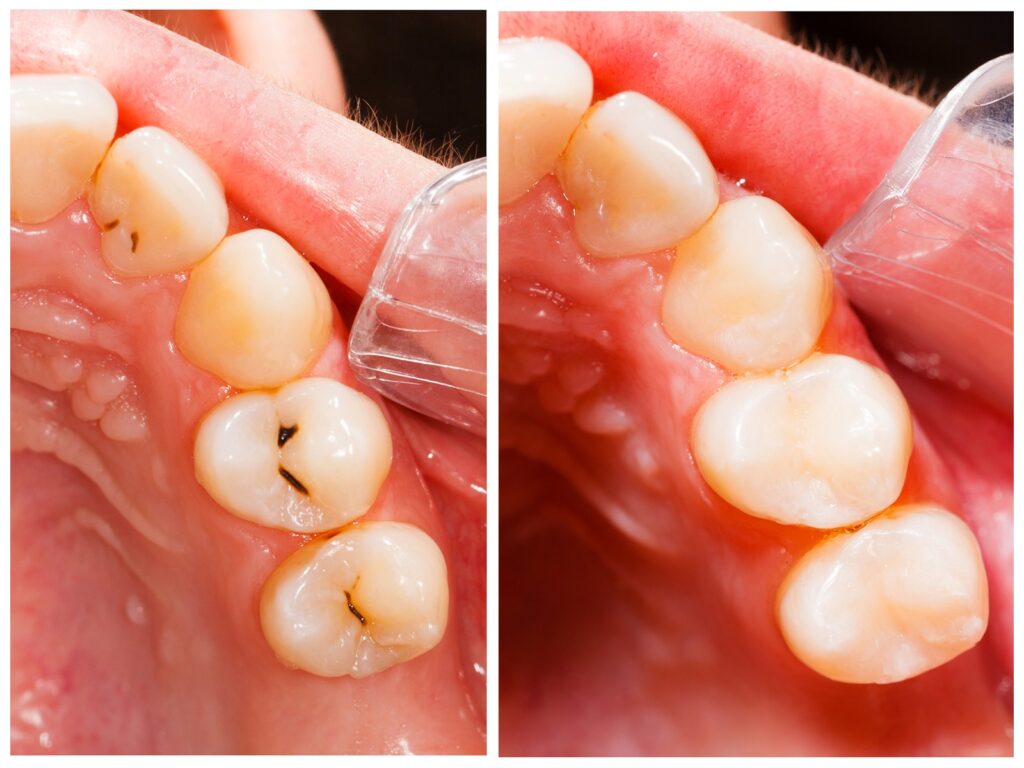
Cavities are common, but treating them early can prevent more serious dental concerns. Tooth-colored fillings are designed to repair areas affected by decay while matching the natural shade of your teeth. Unlike traditional metal fillings, these restorations blend discreetly and support the tooth’s structure.
By restoring strength and protecting against future damage, tooth-colored fillings help preserve both function and appearance, allowing you to smile, chew, and speak with confidence.
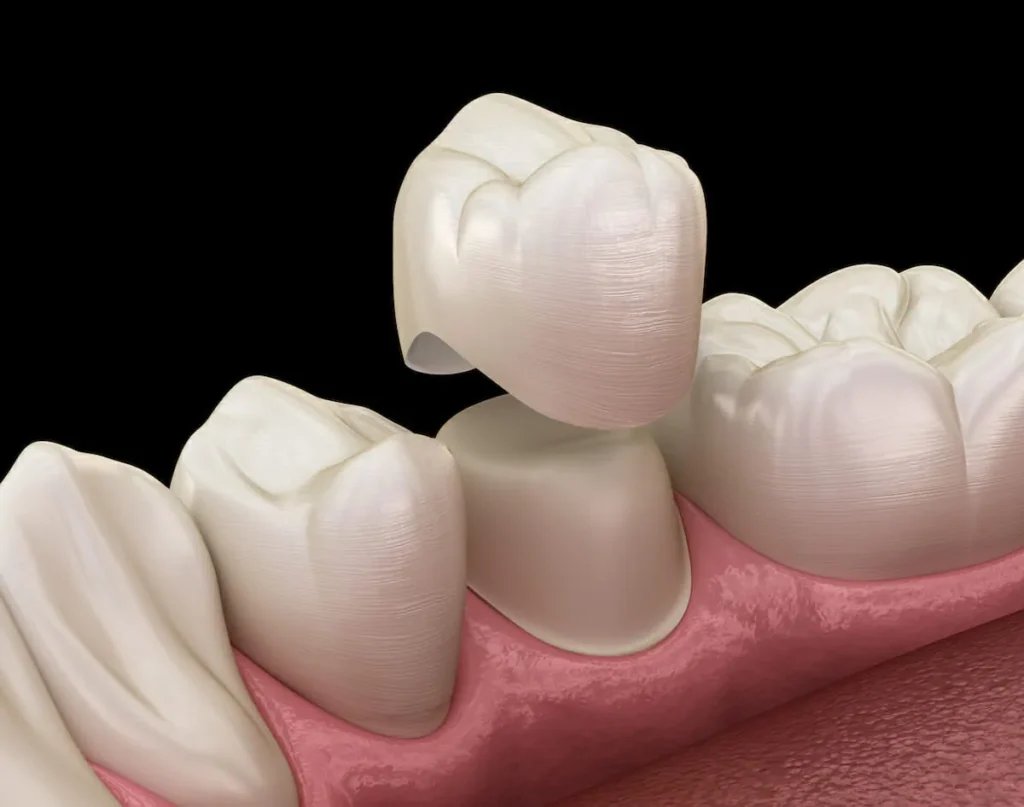
When a tooth is weakened due to decay, fracture, or previous dental work, a crown may be recommended. Dental crowns cover the visible portion of the tooth, restoring its shape, strength, and stability. They are custom-made to fit comfortably and look natural alongside surrounding teeth.
Crowns help protect compromised teeth from further damage while allowing you to maintain normal biting and chewing function.
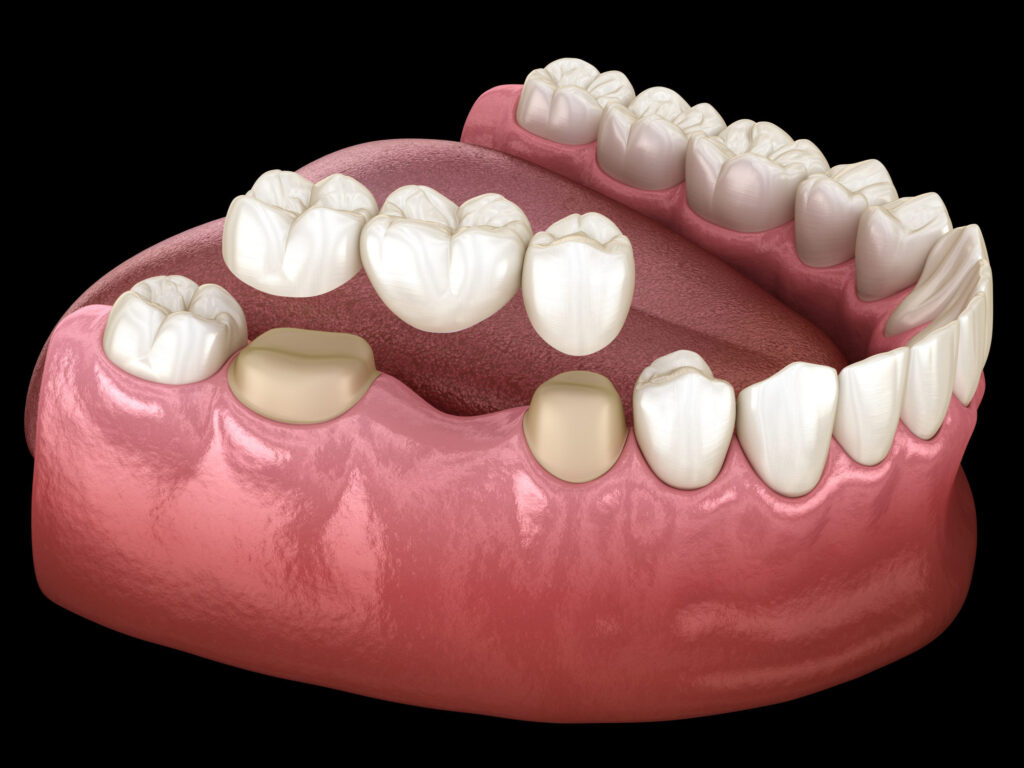
Missing teeth can affect more than appearance. They may lead to shifting teeth, bite problems, and difficulty eating or speaking. Dental bridges restore one or more missing teeth by relying on adjacent teeth for support.
A well-designed bridge restores balance to your smile and helps maintain proper alignment, allowing everyday activities to feel natural again.
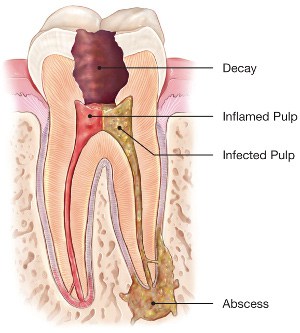
When infection reaches the inner portion of a tooth, root canal therapy may be necessary to relieve discomfort and prevent tooth loss. This procedure removes infected tissue, cleans the tooth’s interior, and seals it to prevent reinfection.
By preserving the natural tooth, reducing pain, and restoring function, root canal therapy often helps avoid tooth extraction.
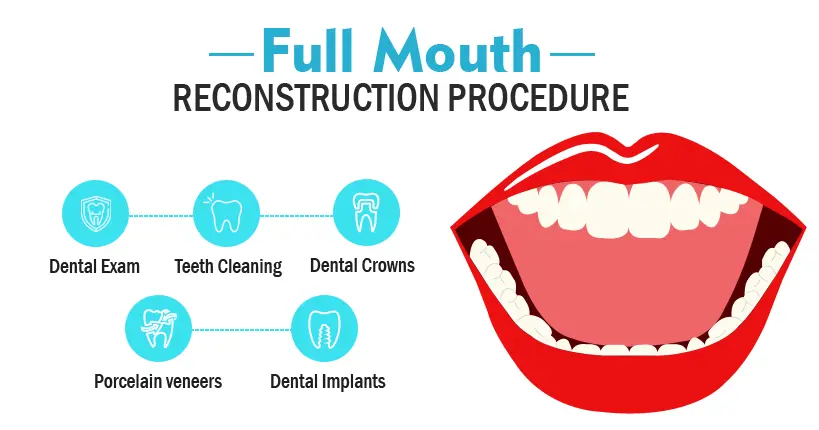
For patients with multiple dental concerns, full-mouth reconstruction offers a personalized approach to restoring oral health. This treatment plan may combine several restorative procedures to address issues such as worn teeth, missing teeth, bite problems, or extensive damage.
Each plan is carefully structured to improve comfort, function, and long-term stability while supporting a balanced and healthy smile.
Ready to Restore Your Smile With Confidence?
If you’re dealing with damaged, weakened, or missing teeth, restorative dentistry can help improve comfort and function while protecting your long-term oral health. Scheduling a consultation is the first step toward a healthier, more reliable smile.
Frequently Asked Questions
How do I know if I need restorative dental treatment?
Common signs include tooth pain, sensitivity, visible damage, difficulty chewing, or missing teeth. A dental evaluation can determine the most appropriate solution.
Is restorative dentistry only for severe dental issues?
Not at all. Early treatment of small concerns, such as cavities or minor damage, can prevent more complex problems later.
How long do restorative dental treatments last?
Proper care combined with regular dental checkups can help restorations maintain their longevity.
Can multiple treatments be combined into one plan?
Yes. When necessary, several restorative procedures can be coordinated into a comprehensive treatment approach.